
The best time to visit the Palace of Versailles
Strategic planning for the best time to visit the Palace of Versailles helps navigate crowds and maximize time in the Royal Apartments, the Hall of Mirrors, and the gardens. Selecting specific entry windows allows for a more efficient exploration of the complex.
Support when you need it
Customer support to help you with everything you need from 8:00 to 18:00.
Fast and online booking
Select your ticket for your needs and preferences and avoid the lines booking here.
Top attraction in Paris
Explore the Versailles Palace to see the royal architecture and the historical evolution of the French monarchy.
Best seasons to explore Versailles Palace
Seasonal variations at Versailles influence both the visual landscape and the volume of visitors. Each period offers a different environment, ranging from blooming gardens to frost-covered sculptures. Travelers must balance aesthetic preferences against seasonal tourist density.
Spring (March to May)
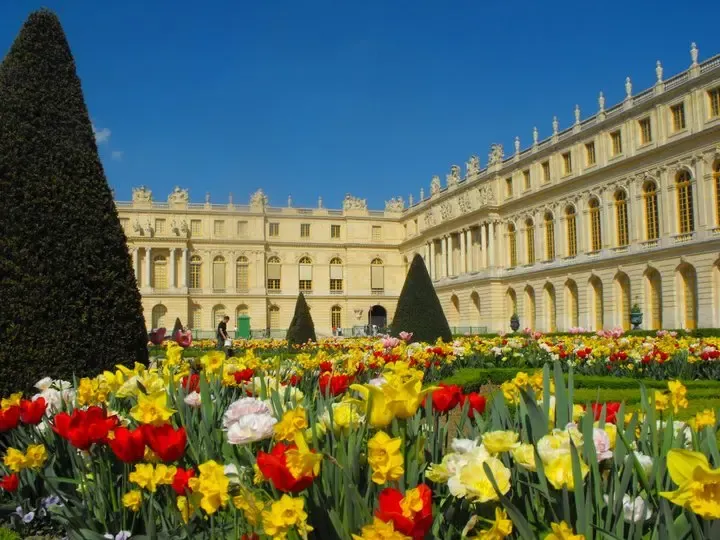
Spring serves as a transitional period where the gardens return to life. In March, the grounds remain quiet, though the fountains typically remain inactive until the Musical Fountains Show begins in late March or April. By May, the flowerbeds showcase vibrant colors, and the temperature becomes ideal for walking the distances between the main palace and the Trianon estate.
This season offers a practical compromise for those who wish to see the gardens in bloom without enduring the intense heat and heavy congestion associated with the peak vacation months.
Photo: “South Parterre of the Park of the Palace of Versailles” by Esalia.

Best days and times to visit Versailles Palace
Effective visits to Versailles depend on timing that accounts for weekly patterns and daily visitor flows. Aligning the choice of day with a specific entry hour ensures more fluid movement through the royal apartments and the gardens.
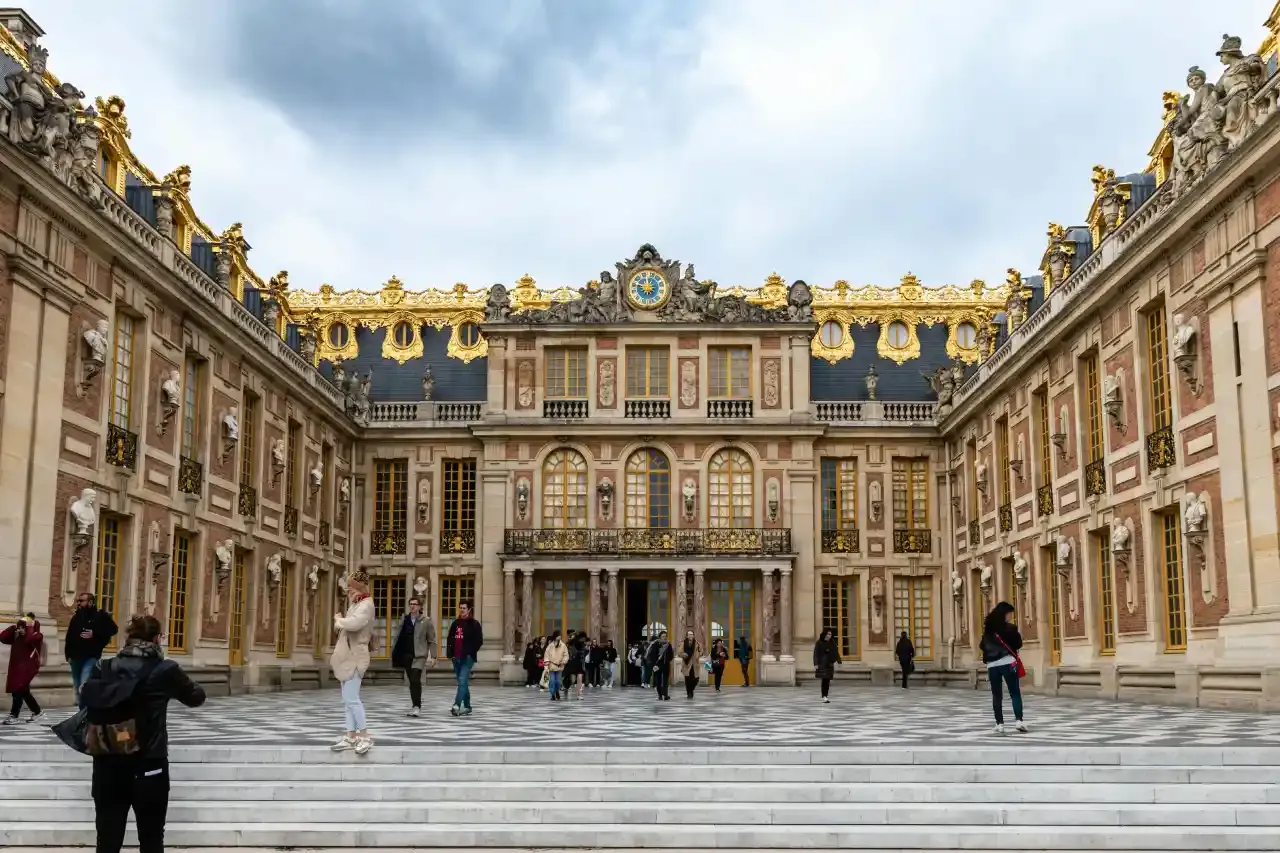
Weekdays vs. Weekends
Tuesday is historically the busiest day of the week because many Parisian museums, including the Louvre, are closed, redirecting tourists toward Versailles. Mondays are also problematic as the palace itself is closed, though the park remains accessible. Therefore, Wednesday and Thursday usually stand as the optimal weekdays for a quieter visit.
Weekends are consistently crowded due to day-trippers from the city and the scheduled Musical Fountain shows. While the weekends offer the full spectacle of the gardens in action, those seeking a more academic or peaceful tour of the architecture should prioritize the middle of the work week.

Specific occasions to avoid
- Peak tourist season: July and August see the highest concentration of international visitors, leading to wait times that can exceed two hours even with timed entry.
- School holidays: During the French "vacances scolaires" (especially in late October and April), the palace sees a high volume of local families and student groups.
- Major exhibitions: The opening and closing weeks of high-profile temporary art exhibitions often draw art enthusiasts and journalists, increasing the daily foot traffic beyond normal levels.
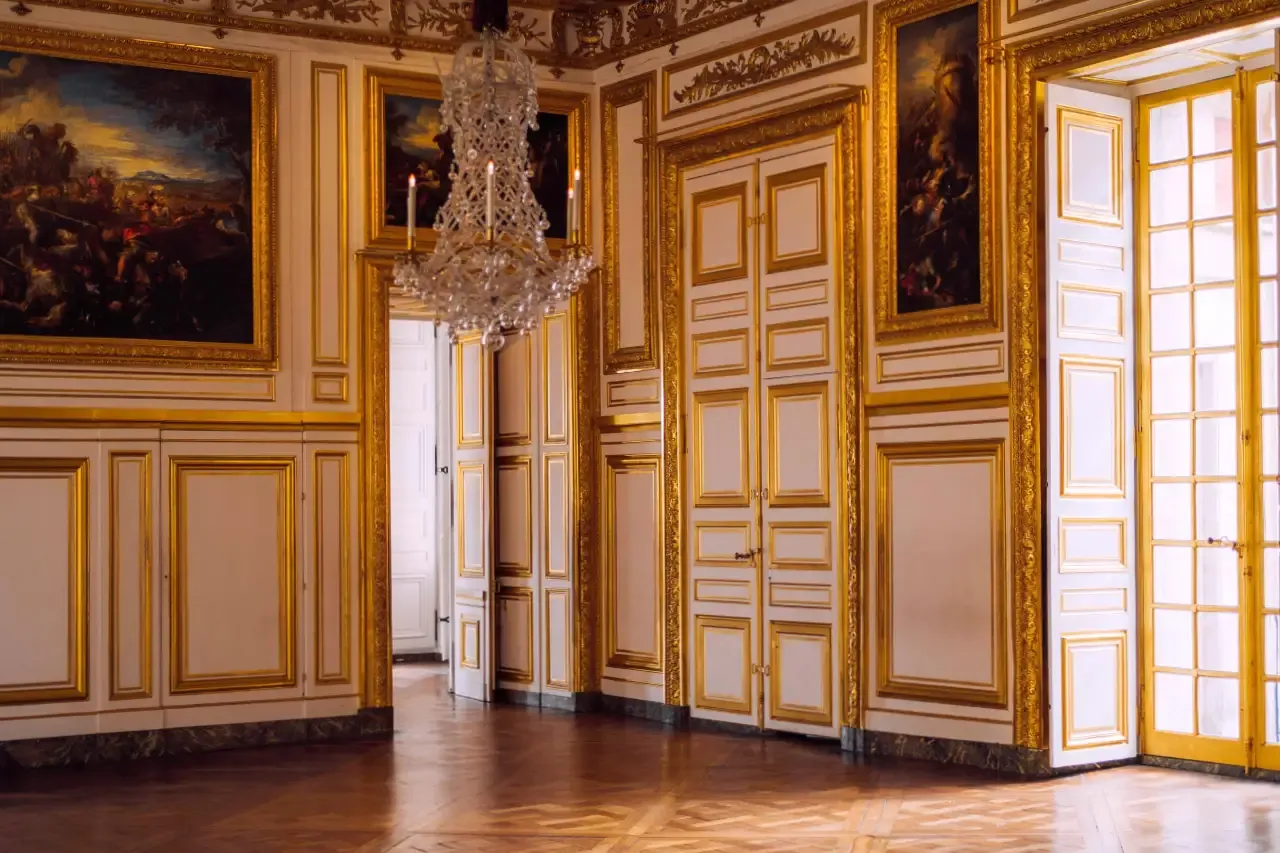
Photo: “Hercules Drawing Room, Palace of Versailles” by Billy Wilson.
Tips for a smooth visit to the Palace of Versailles
Maximizing the efficiency of a trip to the Versailles complex requires proactive logistics and a clear understanding of the site's layout. Because the grounds cover more than 800 hectares, visitors who arrive with a structured plan can avoid common bottlenecks and physical exhaustion.
Purchase timed-entry tickets online
Securing tickets online is the most critical step for any visitor. These timed-entry slots provide a specific window for palace access, which significantly reduces the time spent in the primary security queue. While a ticket does not guarantee immediate entry during peak hours, it remains the only way to bypass the much longer lines at the physical ticket office on-site.
Explore the Trianon Estate and Gardens
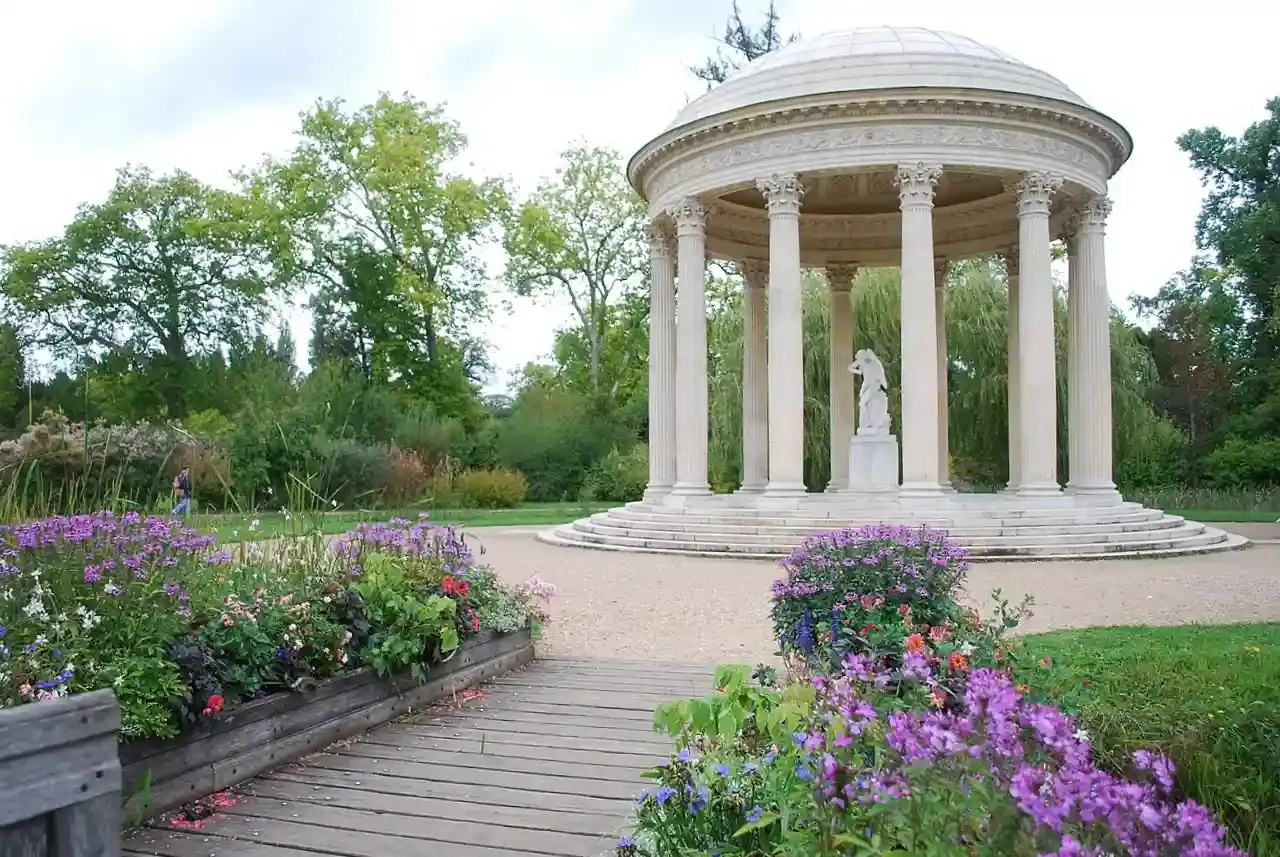
The main palace represents only a fraction of the historical complex. Dedicating time to the Grand Trianon, the Petit Trianon, and the Queen’s Hamlet provides a more comprehensive view of court life. These areas typically open later in the day—usually at 12:00—and maintain a lower visitor density than the Hall of Mirrors. Walking the gardens also allows for a better appreciation of the landscape architecture designed by André Le Nôtre.
Account for varying opening hours
Each area of the Versailles complex operates under different opening hours, requiring visitors to plan their route accordingly. While the main palace and gardens open at 09:00, the Trianon Estate and the Coach Gallery do not open until 12:00 or 12:30. To avoid arriving at closed gates, visitors should prioritize the main residence or the gardens in the morning and transition to the secondary palaces in the afternoon.
Organize dining and hydration
The vast scale of the estate necessitates planned breaks to maintain energy levels. While the palace grounds host several sit-down restaurants and casual cafes, these venues often reach full capacity during lunch hours. Carrying a reusable water bottle is advisable, as several fountains provide potable water throughout the gardens. Visitors should note that while food is prohibited inside the palace buildings, the park areas offer designated spaces for picnicking.
Wear appropriate footwear and layers
A standard visit involves several kilometers of walking across varied terrain, including uneven cobblestones in the Royal Court and gravel paths in the groves. Durable, supportive footwear is essential to prevent discomfort. Furthermore, the open nature of the gardens leaves visitors exposed to wind and sun; therefore, wearing adaptable layers and sun protection ensures comfort regardless of shifting weather conditions throughout the day.
Use secondary entrances
The Main Gate (Gate of Honor) serves as the primary bottleneck for the entire complex. Visitors who plan to view the gardens or the Trianon estate first can utilize alternative entry points such as the Queen’s Gate or the Saint-Antoine Gate. These entrances are located further from the train stations but offer a much faster entry process for those focused on the park and secondary palaces rather than the main residence.