Versailles Palace
The architectural evolution of the Versailles Palace spans from a hunting lodge to a cultural monument. The designers behind the structures and gardens established a legacy that continues through historical collections and immersive technologies.
Support when you need it
Customer support to help you with everything you need from 8:00 to 18:00.
Fast and online booking
Select your ticket for your needs and preferences and avoid the lines booking here.
Top attraction in Paris
Explore the Versailles Palace to see the royal architecture and the historical evolution of the French monarchy.
Facts about the Palace of Versailles
- Size and scope: The palace contains 2,300 rooms across 63,154 m². The structure functioned as a hunting lodge before the French monarchy transformed it into a primary royal residence.
- The Hall of Mirrors: This gallery features 357 mirrors. During the 17th century, the production of mirrors required significant financial resources, making this hall a demonstration of economic power.
- Resident population: Approximately 5,000 individuals lived within the palace during the reign of Louis XIV. This population included members of the nobility, courtiers, and domestic staff.
- Sanitation systems: The original design lacked a formal plumbing infrastructure. Courtiers utilized portable chamber pots, and the exterior grounds often served as makeshift facilities.
- Discreet passageways: A network of hidden corridors allowed the royal family to move through the palace privately. Marie Antoinette used these routes to exit her apartments during the French Revolution.
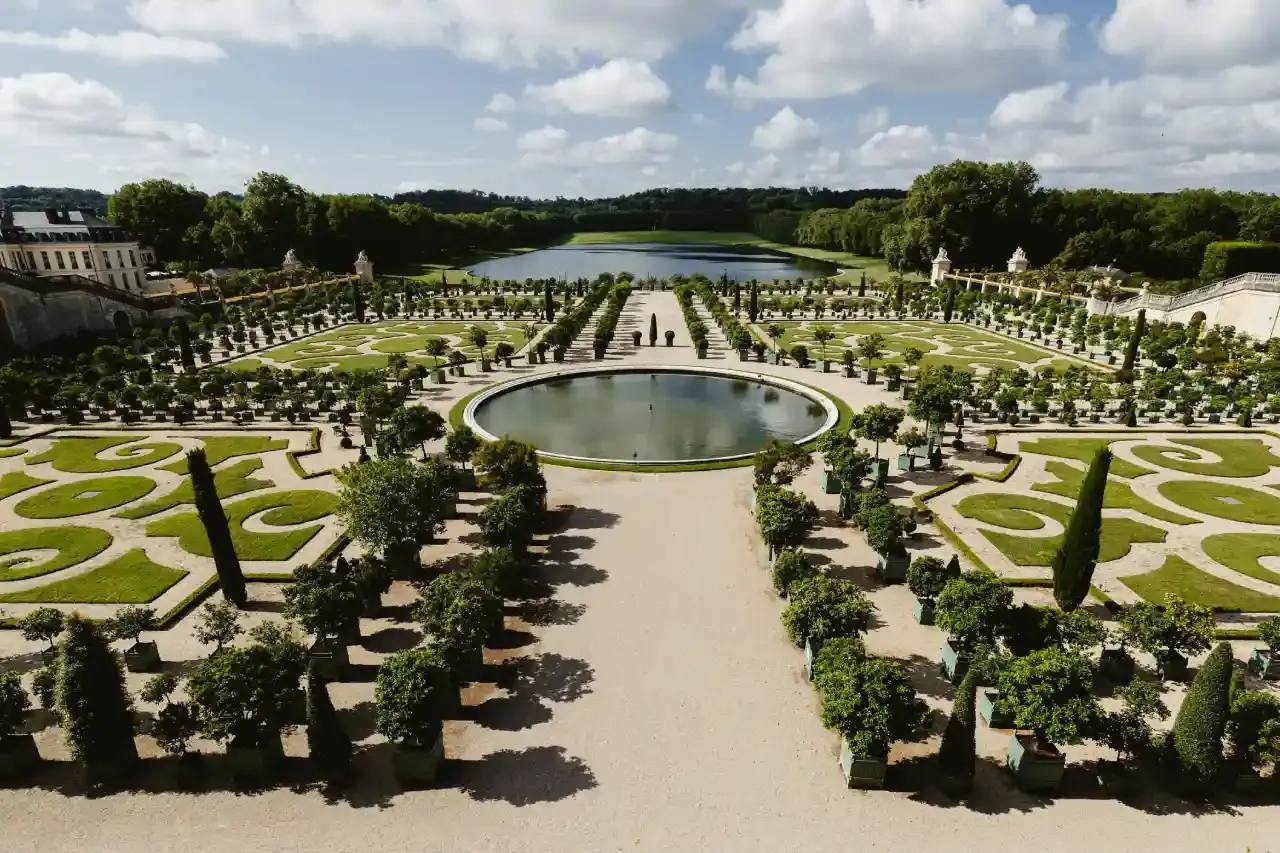
- Landscape maintenance: Staff plant 200,000 specimens annually to preserve the garden's design. The architect André Le Nôtre required forty years to complete the landscaping project.
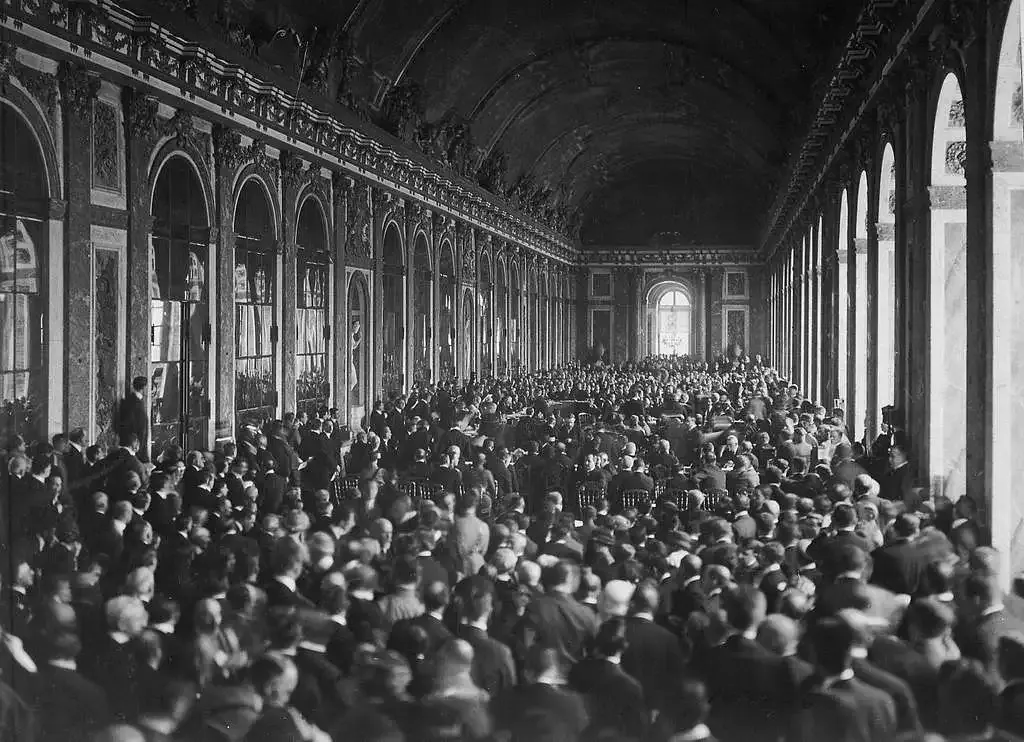
- Diplomatic history: Diplomats signed the Treaty of Versailles in the Hall of Mirrors in 1919 to end World War I. The location served as a response to the 1871 proclamation of the German Empire at the same site.
- Political centralization: Louis XIV moved the seat of government to Versailles in 1682. This relocation allowed the King to monitor the nobility away from the political volatility of Paris.
- Operating costs: Maintenance of the estate requires over €15 million per year. The monument attracts nearly 8 million visitors annually.
- Construction value: Estimates suggest that replicating the palace today would require a budget of approximately $2 billion.
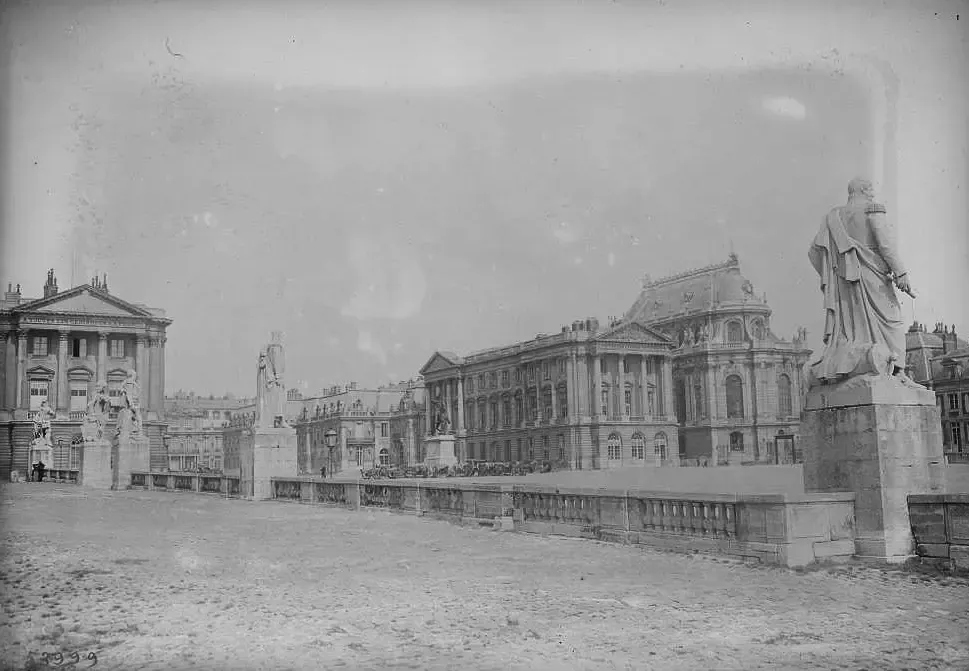
History and development of the complex
In 1623, Louis XIII ordered the construction of a small hunting lodge on a hill surrounded by forests and marshes. This initial brick and stone structure measured 24 meters long and 6 meters wide. The monarch purchased the Seigneury of Versailles from the Gondi family in 1632 to gain total control over the land.
Between 1631 and 1634, architect Philibert Le Roy replaced the original lodge with a three-winged chateau featuring slate roofs and moats. This building, known as the "small chateau," maintained the French style of the period and served as a private retreat for the King away from the capital.
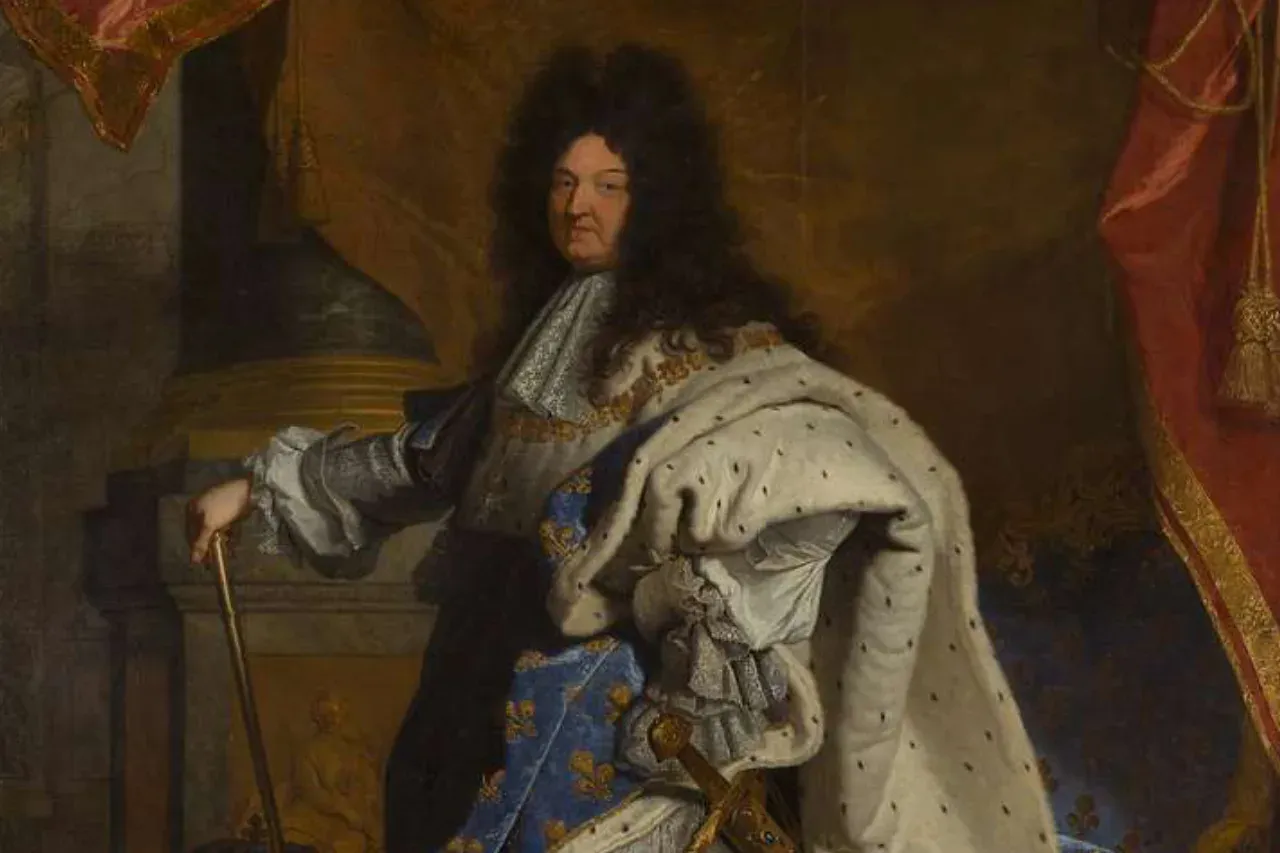
The reign of Louis XIV
Louis XIV began a transformation of the site in 1661 that continued until 1715. Architect Louis Le Vau designed the "envelope" between 1668 and 1670 to surround the original hunting lodge. The expansion included the forecourt (1662), official pavilions (1670), the South Wing (1679), the Grand Commun (1681), the North Wing (1685), and the Royal Chapel (1710).
André Le Nôtre modified the landscape with fountains and canals. In 1682, the King moved the French court and government permanently to the complex. Reports indicate the project cost approximately 100 million livres.
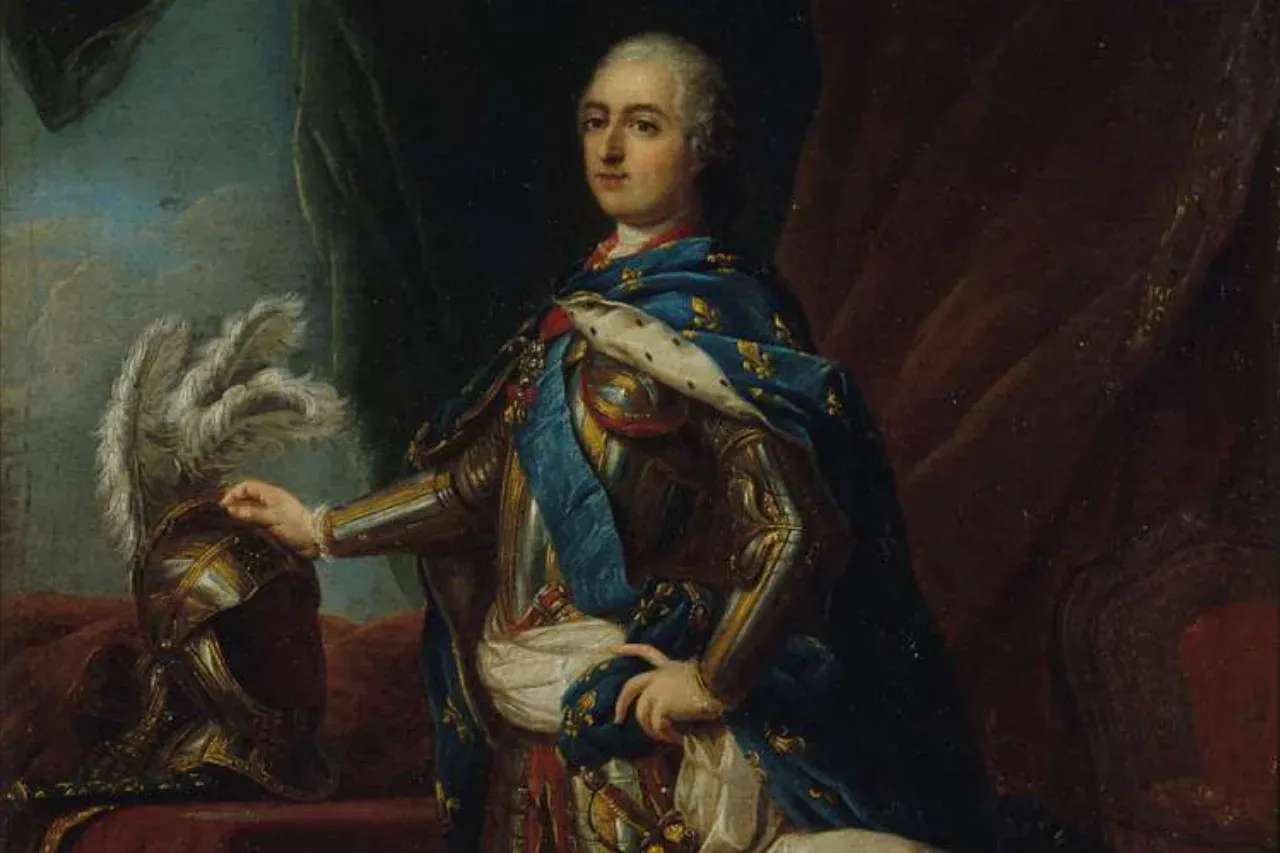
Adjustments under Louis XV
Louis XV, the great-grandson of Louis XIV, inherited the throne in 1715 at the age of five. Following the death of the Sun King, the Regency government moved the young monarch and the royal court back to Paris for seven years. In 1722, upon reaching his legal majority, Louis XV returned the seat of government to Versailles, ending the palace's brief period of vacancy.
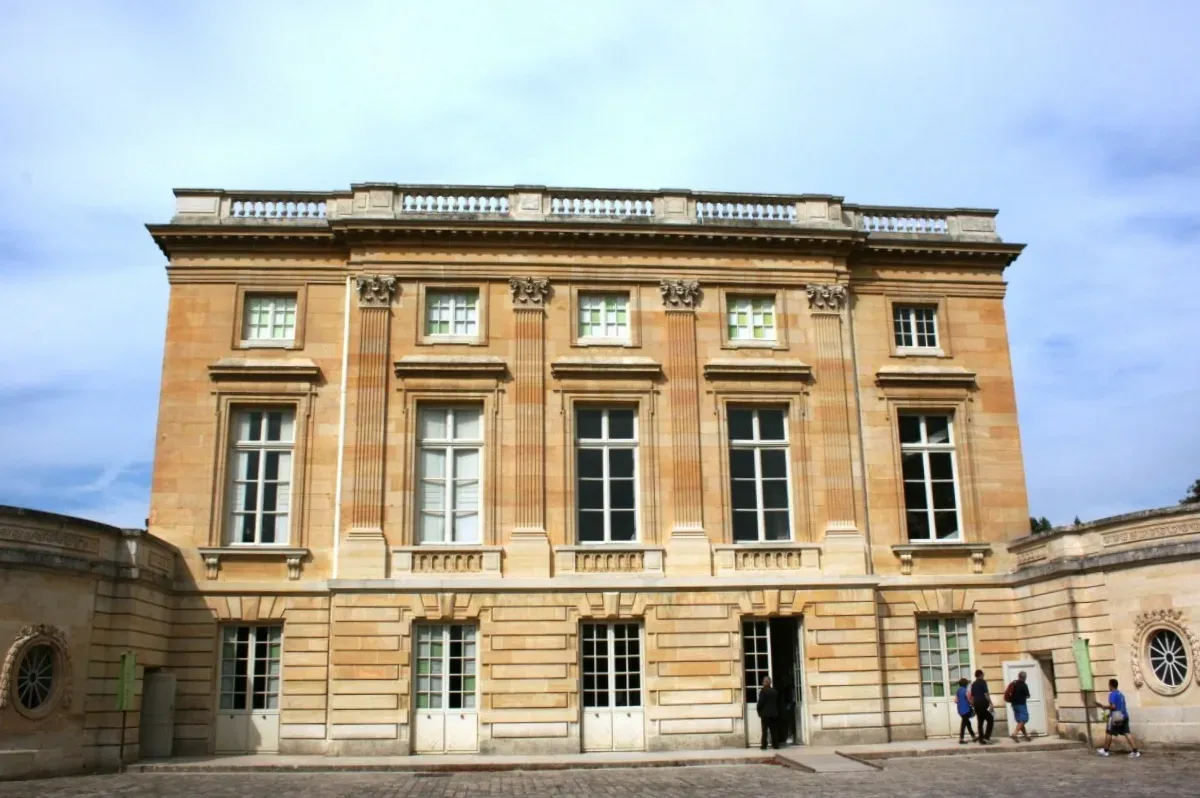
His reign prioritized the modernization of interior spaces to increase comfort and privacy over grand external expansions. He ordered the demolition of the Ambassadors' Staircase to create private apartments and commissioned the Royal Opera, which opened in 1770 for the wedding of the future Louis XVI. Between 1761 and 1768, he also oversaw the construction of the Petit Trianon, a smaller palace designed by Ange-Jacques Gabriel to provide a refuge from strict court etiquette.
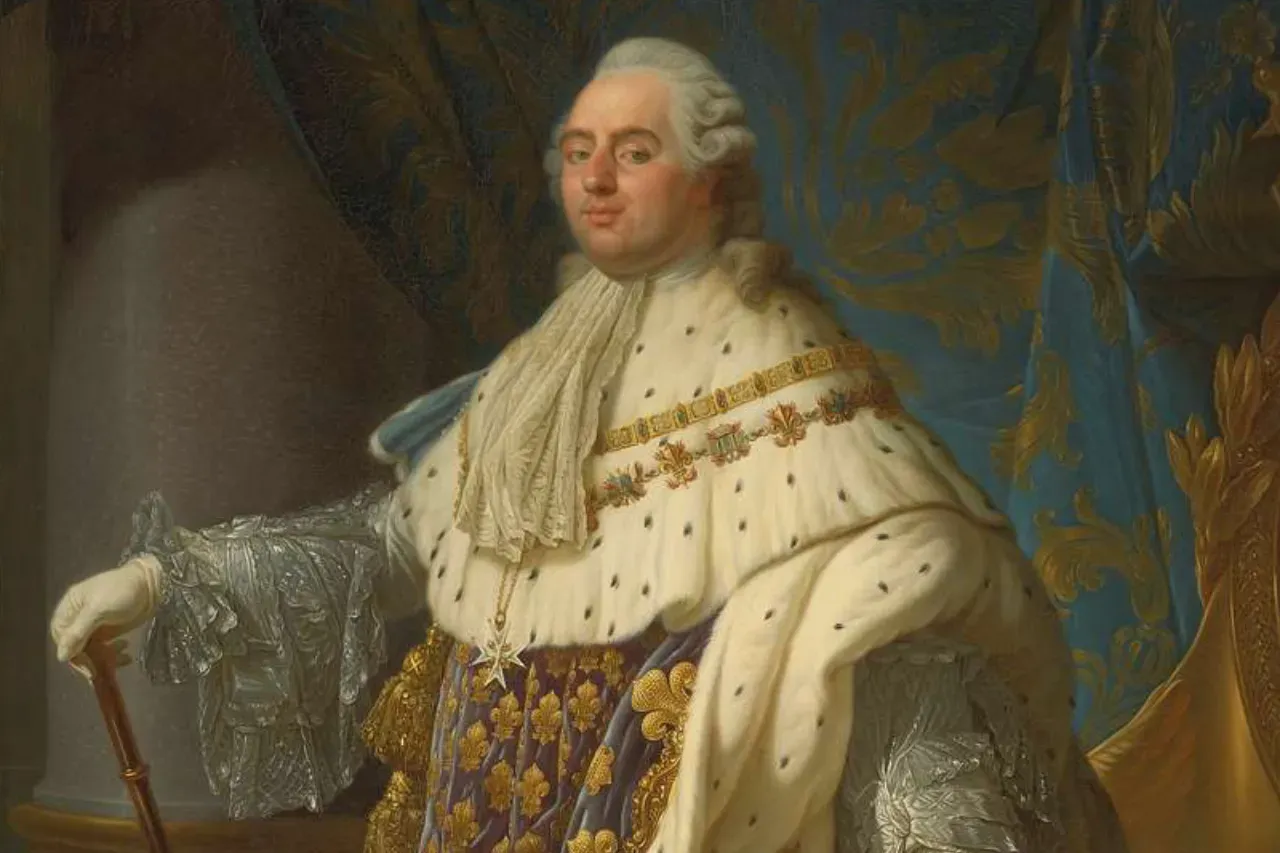
The Reign of Louis XVI
Louis XVI became king in 1774 and continued the trend of personalizing the estate rather than expanding the main palace. Shortly after his coronation, he gifted the Petit Trianon to his wife, Marie Antoinette, for her exclusive use. The Queen oversaw the construction of the Hameau de la Reine (The Queen’s Hamlet) between 1783 and 1786, featuring a rustic mill, a farm, and a dairy.
These structures allowed the royal family to simulate a rural lifestyle, reflecting the naturalistic tastes of the late 18th century. Despite these aesthetic additions, the royal family's departure in October 1789 during the French Revolution ended the palace's role as a residence of the French monarchy.
Revolution and the Modern Era
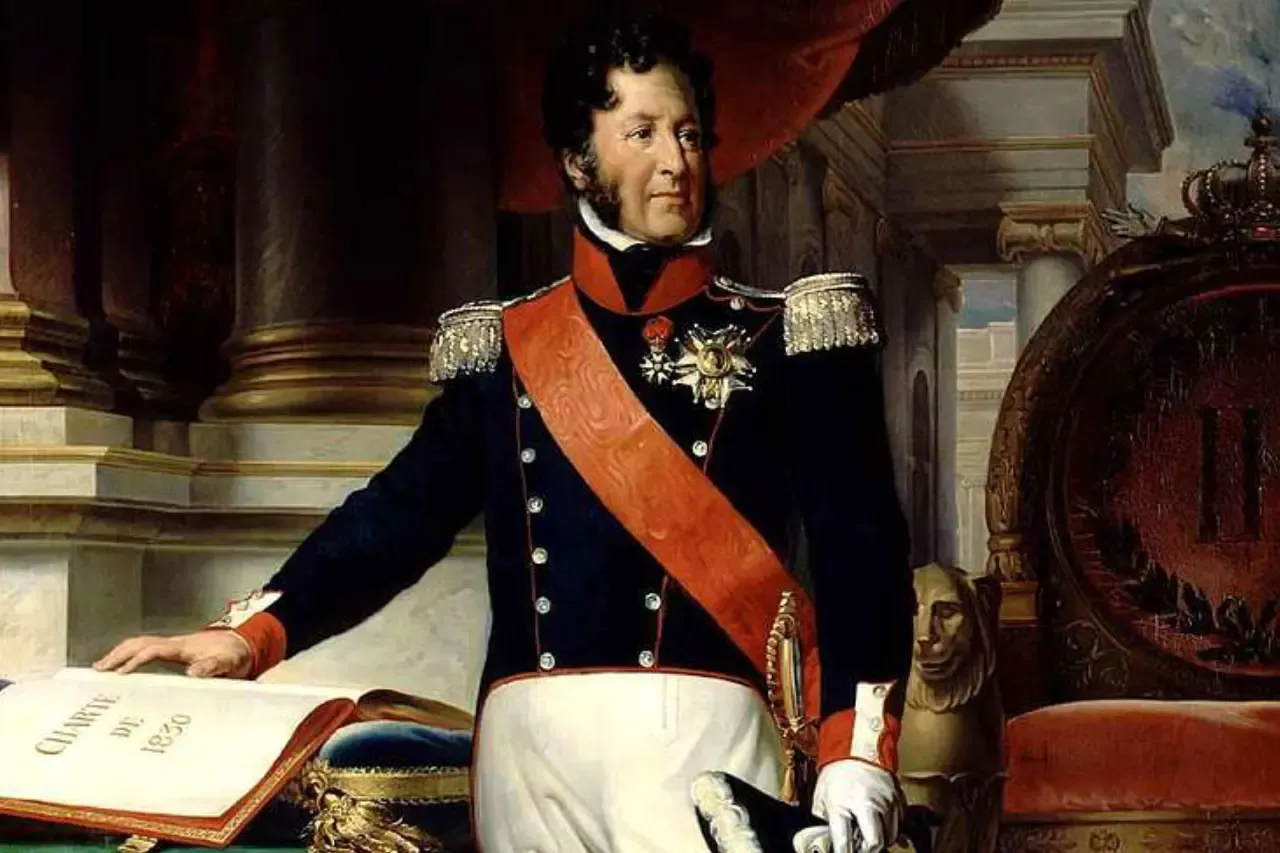
The French Revolution of 1789 terminated the palace's role as the seat of power when a mob forced the royal family to relocate to Paris. Over the following decade, the complex suffered from neglect and the systematic auctioning of its furniture, leaving the vast galleries empty. While Napoleon I later refurbished the Trianons as a summer retreat and maintained the structural integrity of the main buildings, the palace remained without a clear purpose until 1833.
In that year, King Louis-Philippe averted the site's potential demolition by transforming it into the Museum of the History of France. By dedicating the space to "all the glories of France," he repurposed the former royal residence into a national monument open to the public.
The Treaty of Versailles
Versailles re-entered the global political stage in 1919 when the Hall of Mirrors served as the setting for the Treaty of Versailles, effectively ending World War I. This event sparked a renewed interest in the palace's preservation, eventually leading to massive restoration projects during the 1920s funded by John D. Rockefeller. These contributions stabilized the gardens and the structural roofing, allowing curators to begin recovering original artwork and decor.
The sustained effort to protect the complex culminated in 1979, when UNESCO added the Palace and Park of Versailles to the World Heritage List. Today, the site functions as both a state museum and a venue for official diplomatic ceremonies. This transition into a public monument ensured the protection of the vast artistic treasures housed within its walls.
Collections and exhibitions
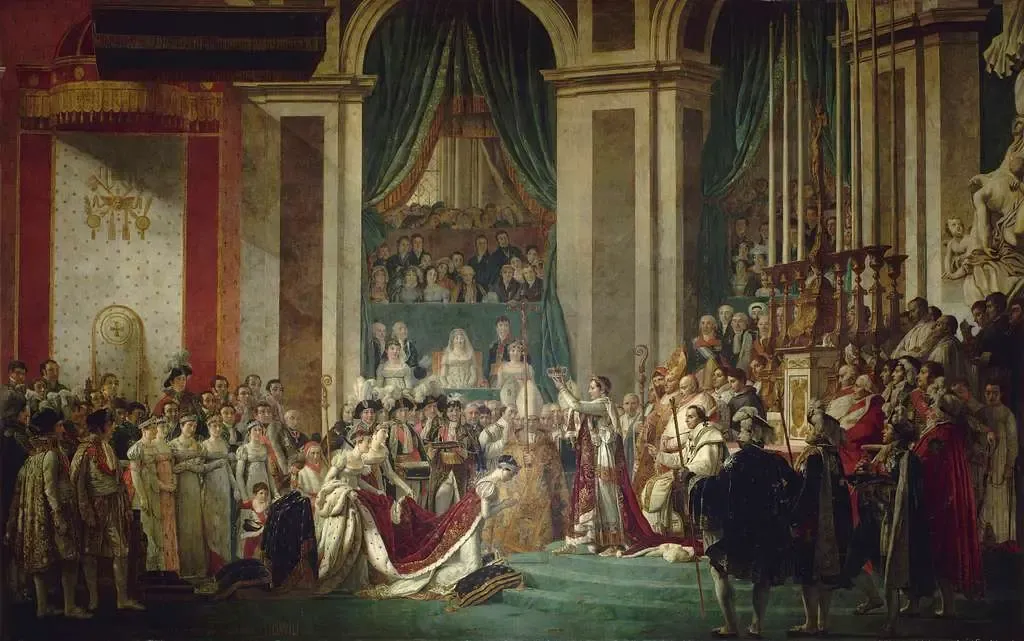
The Palace of Versailles displays a vast collection of artworks that document the French monarchy and national history. Visitors observe the second version of The Coronation of Napoleon, painted by Jacques-Louis David, within the Coronation Room. The estate also houses the iconic portrait of Louis XIV by Hyacinthe Rigaud.
The Hall of Mirrors contains thirty ceiling compositions by Charles Le Brun that depict the military victories of the Sun King. Sculptures such as the Apollo Fountain by Jean-Baptiste Tuby decorate the gardens, while the Museum of the History of France holds the Battle of Fontenoy by Horace Vernet. These pieces represent various artistic movements, from Baroque to Neoclassicism, and provide a factual record of the political and cultural developments within the royal estate throughout several centuries.
Technology and immersive experiences
Today, the Palace of Versailles integrates advanced technology to preserve and present its historical heritage. Virtual reality arrived at the estate in 2019 through VersaillesVR: the Palace is Yours, a collaboration with Google Arts & Culture. This application enables users to tour twenty-four royal rooms and interact with over 150 artworks via hyper-realistic photogrammetry. In 2025, the administration launched Versailles: Lost Gardens of the Sun King, an on-site experience that transports visitors to 1682 to explore vanished landscapes.
Augmented reality also features in the official Palace of Versailles app (available for iOS and Android) which utilizes digital filters to recreate 17th-century Baroque dances at the Latona Fountain. Despite these modern additions, the Musical Fountains Shows maintain the most traditional immersive experience. From April to October, these events transform the gardens into a theater where water displays synchronize with compositions by Lully and Rameau, concluding with illuminated night sessions between July and September.
Architects and landscape designers
The physical creation of the Versailles estate resulted from the collaboration of several master designers who transformed the landscape and buildings over several decades:
The Main Palace (Château)
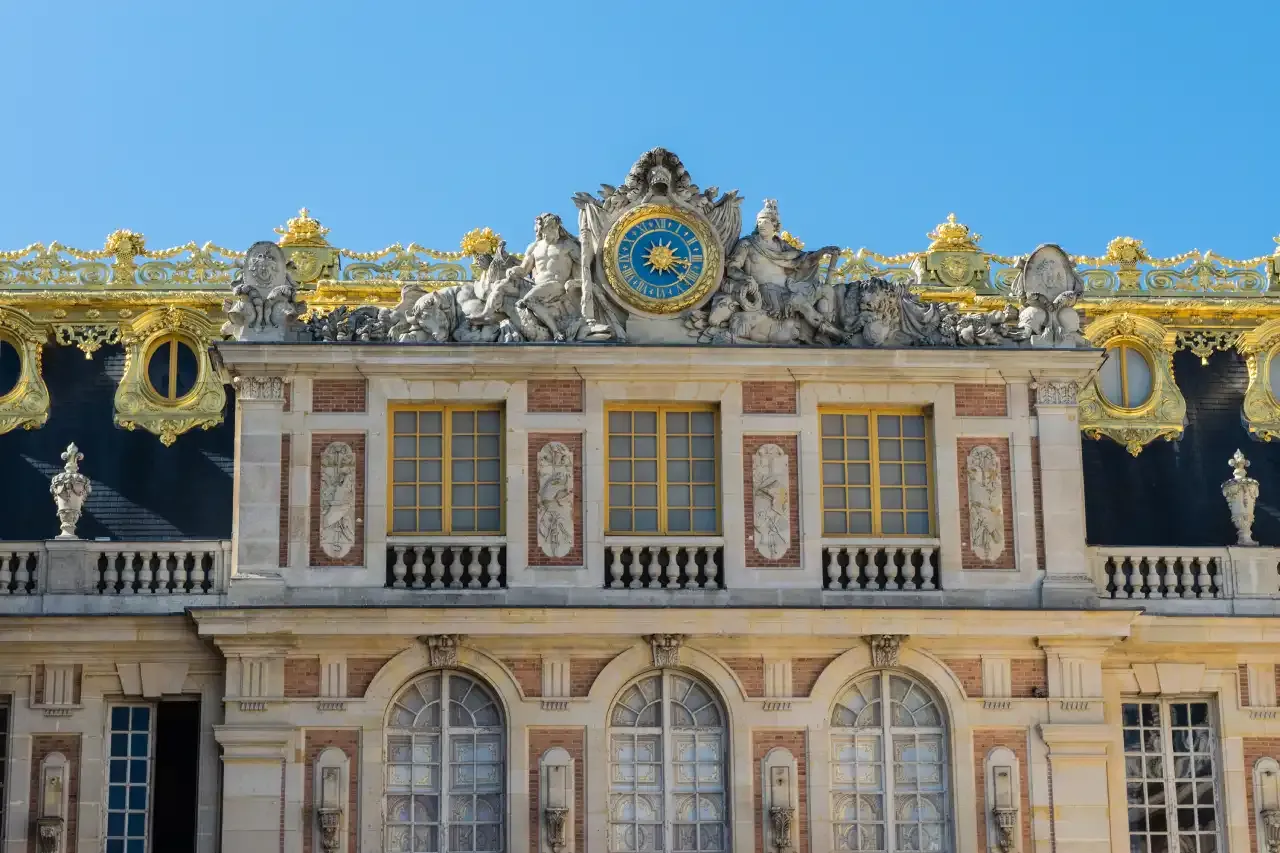
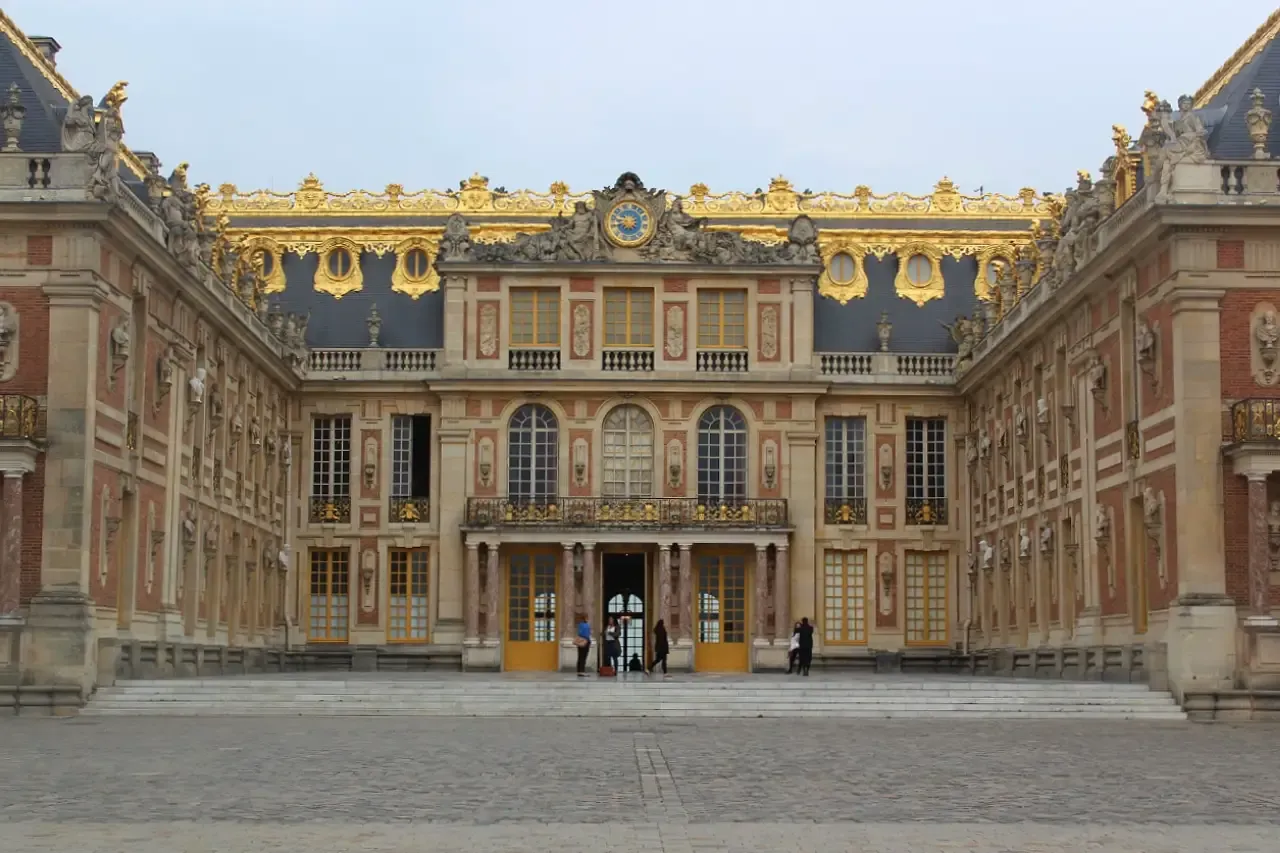
Louis Le Vau served as the principal architect during the initial grand expansion starting in 1661. He designed the "envelope," a classical stone structure that surrounded the original brick hunting lodge.
Following Le Vau’s death, Jules Hardouin-Mansart took over the project in 1678. Mansart introduced the iconic Hall of Mirrors and constructed the North and South wings to accommodate the growing court. He also designed the Royal Chapel, though he died before its completion in 1710.
Together, these architects transitioned Versailles from a provincial retreat into a massive Baroque complex, establishing a uniform architectural language that influenced royal residences across Europe for over a century.